WEEK
4
TOPIC
3: PHILOSOPHICAL
FOUNDATIONS OF CURRICULUM

PHILOSOPHY
OF EDUCATION
The philosophy of
education recognizes that the development of a civil society depends on the
education of the young as responsible, thoughtful and enterprising citizens
which is a challenging task requiring deep understanding of ethical principles,
moral values, political
theory, aesthetics and economics; not to mention an understanding of children
themselves.
Most of the prominent philosophers.
•Plato, Aristotle, Rousseau, Dewey,
Adler, Confucius, Al Farabi, Tagore and many others [contributions
to
education later in the chapter]. These philosophers have been key voices in
philosophy of education and have contributed to our basic understanding of what
education is and can be. They have also provided powerful critical perspectives
revealing the problems in education.
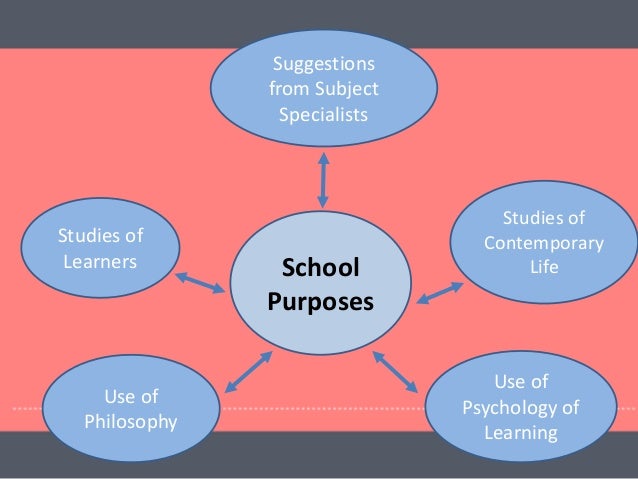
Tyler’s view of philosophy in relationship to school purpose.
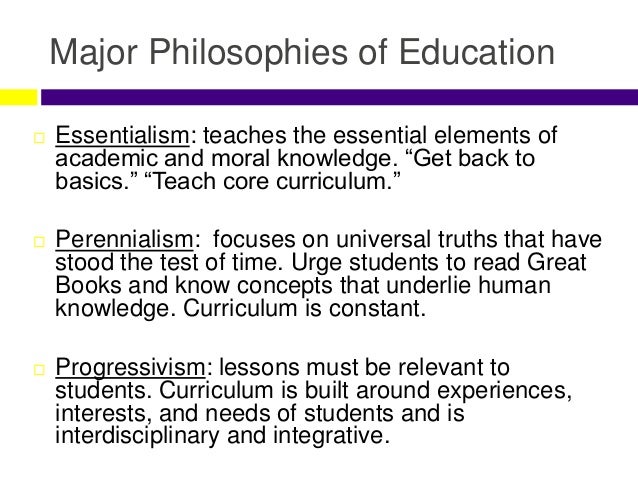
Major Philosophies


Adventist Philosophy
•Philosophical base: Theism
•Aim: Restoration of man to God’s image
•Knowledge: Bible Values.To
prepare responsible citizen for the world today and the world to come. Balance
Education- Spiritual, Physical, Mental, Social (Wholistic
Education)
•Role of teacher: Lead student for Christ
•Teaching method: Faith Integration,
practical, living by example (modeling).

No comments:
Post a Comment